Create Your Financial Plan with FinWell
Achieve your financial goals with our comprehensive planning tools and expert guidance. FinWell helps you organize your finances, track your progress, and secure your future.
Get Started Today
Setting Financial Goals
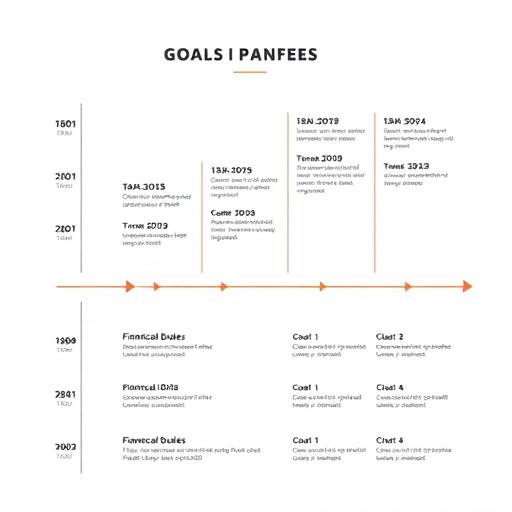
The first step in creating a financial plan is defining your goals. What do you want to achieve? Common financial goals include buying a home, paying off debt, saving for retirement, funding your children's education, or starting a business. Your goals should be specific, measurable, achievable, relevant, and time-bound (SMART).
Consider both short-term and long-term goals. Short-term goals might be achieved within a year, such as paying off a credit card balance. Long-term goals, like retirement planning, may take several decades. Prioritize your goals based on their importance and urgency. Regularly review and adjust your goals as your circumstances change.
Here's a step-by-step approach to setting effective financial goals:
- Identify Your Values: What's truly important to you? Your values will guide your financial decisions.
- Brainstorm Potential Goals: List everything you want to achieve financially, no matter how big or small.
- Prioritize Your Goals: Rank your goals based on their importance to you.
- Make Your Goals SMART: Ensure each goal is Specific, Measurable, Achievable, Relevant, and Time-bound.
- Write Down Your Goals: Putting your goals in writing makes them more tangible and increases your commitment.
- Regularly Review and Adjust: Life changes, so your financial goals should too.
FinWell offers tools and resources to help you define and track your financial goals. Use our goal-setting worksheet to get started. Contact our financial advisors at +1 555-123-4567 for personalized guidance.
Assessing Your Current Financial Situation

Before you can plan for the future, you need to understand where you stand today. This involves assessing your income, expenses, assets, and liabilities. Create a snapshot of your current financial health.
Start by calculating your net worth. This is the difference between your assets (what you own) and your liabilities (what you owe). Assets include cash, investments, real estate, and personal property. Liabilities include credit card debt, student loans, mortgages, and other loans.
Analyze your income and expenses. Track where your money is coming from and where it's going. Use budgeting tools or spreadsheets to monitor your spending habits. Identify areas where you can cut back on expenses and save more money.
Key steps in assessing your financial situation include:
- Calculate Your Net Worth: Assets - Liabilities = Net Worth
- Track Your Income: Identify all sources of income.
- Monitor Your Expenses: Track where your money is going.
- Analyze Your Debt: Understand the terms and interest rates of your debts.
- Review Your Credit Report: Check for errors and monitor your credit score.
For a detailed financial assessment, consider using FinWell's financial assessment tool. This tool helps you gather and organize your financial information and provides personalized recommendations for improvement. Reach out to our team at support@finwell.com for help with using our tools.
Creating a Budget
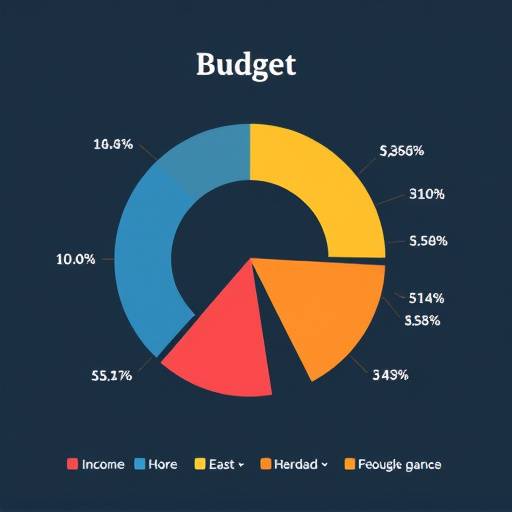
A budget is a plan for how you will spend your money. It helps you allocate your income to cover your expenses, save for your goals, and avoid unnecessary debt. There are several budgeting methods you can choose from, such as the 50/30/20 rule, zero-based budgeting, or envelope budgeting.
The 50/30/20 rule suggests allocating 50% of your income to needs, 30% to wants, and 20% to savings and debt repayment. Zero-based budgeting involves allocating every dollar of your income to a specific purpose, ensuring that your income minus your expenses equals zero. Envelope budgeting involves using physical envelopes to allocate cash for different spending categories.
Key elements of creating a budget:
- Determine Your Income: Calculate your net income (after taxes and deductions).
- Track Your Expenses: Use a budgeting app or spreadsheet to track your spending.
- Categorize Your Expenses: Group your expenses into categories such as housing, food, transportation, and entertainment.
- Allocate Your Income: Decide how much to allocate to each category.
- Monitor Your Budget: Regularly review your budget and make adjustments as needed.
FinWell provides budgeting templates and tools to help you create and manage your budget effectively. Explore budgeting tips and strategies on our budgeting tips page . Our address is 12 Financial Lane, Suite 200, San Francisco, CA 94105.
Investment Planning

Investment planning involves growing your wealth over time by investing in various assets, such as stocks, bonds, mutual funds, and real estate. Your investment strategy should align with your risk tolerance, time horizon, and financial goals.
Diversification is a key principle of investment planning. Spreading your investments across different asset classes can help reduce your overall risk. Consider investing in a mix of stocks, bonds, and other assets to achieve a balanced portfolio.
Important considerations for investment planning:
- Assess Your Risk Tolerance: Determine how comfortable you are with the possibility of losing money.
- Set Your Time Horizon: Consider how long you have until you need to access your investments.
- Choose Your Investments: Select investments that align with your risk tolerance and time horizon.
- Diversify Your Portfolio: Spread your investments across different asset classes.
- Regularly Review Your Portfolio: Monitor your investments and make adjustments as needed.
FinWell offers investment planning tools and resources to help you build a diversified portfolio. Learn more about investment strategies and contact our investment advisors at investment_advice@finwell.com for personalized advice. We believe in empowering our clients with the knowledge and resources to make informed investment decisions.
Retirement Planning

Retirement planning is the process of accumulating sufficient assets to support your desired lifestyle in retirement. This involves estimating your retirement expenses, determining how much you need to save, and investing your savings effectively.
Start by estimating your retirement expenses. Consider factors such as housing, healthcare, transportation, and leisure activities. Determine how much income you will need to cover these expenses. Factor in potential sources of retirement income, such as Social Security and pensions.
Key steps in retirement planning:
- Estimate Your Retirement Expenses: Determine how much money you will need to live comfortably in retirement.
- Calculate Your Retirement Savings Goal: Determine how much you need to save to reach your retirement goals.
- Choose Retirement Savings Accounts: Select appropriate retirement savings accounts, such as 401(k)s and IRAs.
- Develop a Retirement Investment Strategy: Invest your savings in a diversified portfolio that aligns with your risk tolerance and time horizon.
- Regularly Review and Adjust Your Plan: Monitor your progress and make adjustments as needed.
FinWell provides retirement planning tools and calculators to help you estimate your retirement needs and develop a savings plan. Dr. Eleanor Vance, our lead retirement planning advisor, hosts monthly webinars to guide individuals on their retirement planning journey. Contact us to register for the next webinar.