Master Your Money: Budgeting Tips from FinWell
Unlock financial freedom with practical budgeting strategies. Start your journey to a secure future today.
Get StartedCreating a Budget: Your Financial Foundation

Budgeting isn't about restriction; it's about empowerment. It's about understanding where your money goes and making conscious decisions about how to allocate your resources. A well-crafted budget is the cornerstone of financial stability, enabling you to achieve your short-term and long-term financial goals.
Step-by-Step Guide to Budgeting:
- Calculate Your Income: Determine your net monthly income (after taxes and deductions). Include all sources of income, such as salary, freelance work, or investments.
- Track Your Expenses: Monitor your spending habits for at least a month. Use a budgeting app, spreadsheet, or notebook to record every transaction. Don't underestimate small expenses; they add up!
- Categorize Your Expenses: Group your expenses into categories like housing, transportation, food, utilities, entertainment, and debt payments. This helps you identify areas where you can potentially cut back.
- Create Your Budget: Allocate your income to different expense categories based on your needs and priorities. Aim for a balanced budget where your total expenses don't exceed your income. The 50/30/20 rule (50% needs, 30% wants, 20% savings/debt repayment) can be a helpful guideline.
- Review and Adjust: Regularly review your budget to see if it aligns with your actual spending. Adjust your budget as needed to reflect changes in your income, expenses, or financial goals.
Remember, your budget is a living document. Be flexible and adapt it to your evolving circumstances.
Tracking Expenses: Where Does Your Money Go?
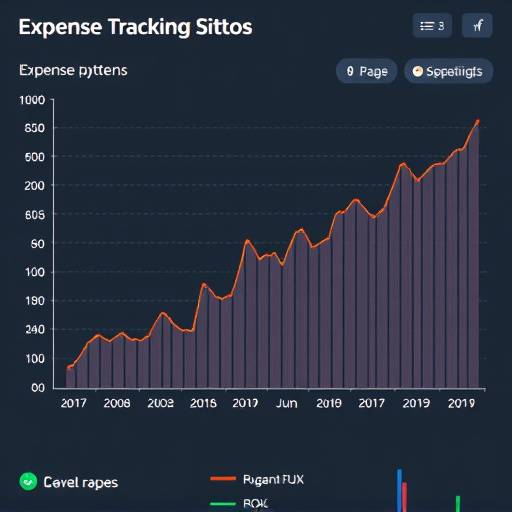
Tracking your expenses is crucial for identifying spending leaks and making informed financial decisions. It provides a clear picture of your spending habits, allowing you to pinpoint areas where you can save money.
Effective Expense Tracking Methods:
- Budgeting Apps: Utilize mobile apps like Mint, YNAB (You Need A Budget), or Personal Capital to automatically track your expenses. These apps often categorize transactions and provide insightful reports.
- Spreadsheets: Create a simple spreadsheet in Google Sheets or Microsoft Excel to manually record your expenses. This gives you more control over data entry and categorization.
- Notebook and Pen: Keep a small notebook with you and jot down every transaction as it occurs. This method requires discipline but can be effective for those who prefer a more hands-on approach.
Tips for Accurate Expense Tracking:
- Record Everything: Don't neglect small expenses like coffee, snacks, or magazine subscriptions. They can significantly impact your budget over time.
- Be Consistent: Track your expenses daily or weekly to maintain accuracy and prevent information overload.
- Categorize Precisely: Use consistent and descriptive categories to analyze your spending patterns effectively.
- Review Regularly: Analyze your expense data to identify areas for improvement and make necessary adjustments to your budget.
"What gets measured gets managed." - Peter Drucker
By consistently tracking your expenses, you gain valuable insights into your financial behavior, empowering you to make informed decisions and optimize your budget.
Saving Money: Building Your Financial Security

Saving money is an essential component of financial well-being. It provides a safety net for unexpected expenses, allows you to achieve your financial goals, and paves the way for a secure future.
Practical Saving Strategies:
- Set Clear Savings Goals: Define specific, measurable, achievable, relevant, and time-bound (SMART) savings goals. Examples include saving for a down payment on a house, a vacation, or retirement.
- Automate Your Savings: Set up automatic transfers from your checking account to your savings account on a regular basis. This "pay yourself first" approach ensures consistent savings.
- Reduce Discretionary Spending: Identify areas where you can cut back on non-essential expenses, such as dining out, entertainment, or shopping.
- Shop Around for Better Deals: Compare prices from different retailers before making a purchase. Look for discounts, coupons, and sales to save money.
- Negotiate Bills: Contact your service providers (e.g., internet, cable, insurance) and negotiate lower rates. You may be surprised at how much you can save.
- Embrace Frugality: Adopt a frugal mindset and look for creative ways to save money in your daily life. Pack your lunch, brew your own coffee, and utilize free entertainment options.
- Take advantage of employer matching: Contribute enough to your 401k to get the full employer match. It's free money!
Small savings add up over time. Consistently implementing these strategies will help you build a solid financial foundation.
Reducing Debt: Reclaiming Your Financial Freedom

Debt can be a significant burden, hindering your ability to achieve your financial goals. Reducing debt is crucial for reclaiming your financial freedom and building a secure future.
Effective Debt Reduction Strategies:
- The Debt Snowball Method: List your debts from smallest to largest, regardless of interest rate. Focus on paying off the smallest debt first, while making minimum payments on the others. Once the smallest debt is paid off, roll the payment amount into the next smallest debt. This provides quick wins and motivation.
- The Debt Avalanche Method: List your debts from highest to lowest interest rate. Focus on paying off the debt with the highest interest rate first, while making minimum payments on the others. This minimizes the total interest paid over time.
- Balance Transfer: Transfer high-interest credit card balances to a card with a lower interest rate. This can save you a significant amount of money on interest charges. Be mindful of balance transfer fees.
- Debt Consolidation Loan: Consolidate multiple debts into a single loan with a lower interest rate. This simplifies your payments and can potentially save you money.
- Increase Your Income: Consider taking on a side hustle or freelancing to increase your income and accelerate your debt repayment.
- Create a Strict Budget: Ensure that you have a budget that allows you to aggressively pay down your debt.
Choose the debt reduction strategy that best suits your personality and financial situation. Consistency and discipline are key to successfully eliminating debt.