Unlock Your Financial Future with Strategic Investing
Discover diverse investment strategies tailored to your risk tolerance and financial goals. FinWell provides the knowledge and resources you need to make informed decisions and grow your wealth.
Get Started TodayStocks: High Growth Potential, Higher Risk

Investing in stocks, also known as equities, represents ownership in a company. Stock prices fluctuate based on market conditions, company performance, and investor sentiment. Stocks offer the potential for high returns, but also carry a higher level of risk compared to other investments. A diversified stock portfolio is crucial to mitigate risk. Consider investing in a mix of large-cap, mid-cap, and small-cap stocks across various industries. Blue-chip stocks, representing well-established companies with a history of stable earnings and dividends, can provide a foundation for a stock portfolio. Growth stocks, on the other hand, offer the potential for higher returns but may be more volatile. Remember to conduct thorough research and consider consulting with a financial advisor before investing in individual stocks. FinWell offers resources for researching companies and understanding market trends. We believe that informed investors are successful investors. Consider factors such as price-to-earnings ratio, debt-to-equity ratio, and revenue growth when evaluating potential stock investments.
For those with a higher risk tolerance and a longer investment horizon, stocks can be a powerful tool for wealth creation. However, it's important to understand that stock prices can decline, and investors may lose money. Start small, diversify your holdings, and stay informed to manage your risk effectively. Don't put all your eggs in one basket, as they say. Regularly review your portfolio and rebalance as needed to maintain your desired asset allocation. Consider setting stop-loss orders to limit potential losses. Remember, investing in the stock market is a long-term game, and patience is key to success.
Bonds: Stability and Income

Bonds are debt instruments issued by governments or corporations to raise capital. When you buy a bond, you are essentially lending money to the issuer. In return, you receive periodic interest payments (coupon payments) and the principal amount (face value) at maturity. Bonds are generally considered less risky than stocks, making them a suitable investment for those seeking stability and income. Government bonds, such as Treasury bonds, are considered among the safest investments. Corporate bonds offer higher yields than government bonds but also carry a higher level of risk. The credit rating of a bond issuer is an important indicator of its creditworthiness. Bonds with higher credit ratings (e.g., AAA) are considered less risky. Investing in a diversified bond portfolio can help reduce risk. Consider investing in a mix of government bonds, corporate bonds, and municipal bonds. Bond yields are influenced by factors such as interest rates, inflation, and economic growth. Understanding these factors can help you make informed bond investment decisions. FinWell provides tools and resources for researching bonds and understanding bond market dynamics. Diversifying your bond holdings across different maturities can also help manage interest rate risk.
While bonds offer stability, they also have limitations. Bond yields may not keep pace with inflation, and bond prices can decline if interest rates rise. However, bonds can play an important role in a diversified investment portfolio, particularly for those approaching retirement or seeking a more conservative investment approach. Laddering your bond portfolio, which involves purchasing bonds with staggered maturities, can help manage interest rate risk and provide a steady stream of income. Consider consulting with a financial advisor to determine the appropriate bond allocation for your portfolio based on your risk tolerance and investment goals. Bond funds, which are mutual funds that invest in a portfolio of bonds, can offer diversification and professional management. However, bond funds also have fees and expenses, so it's important to consider these costs before investing.
Real Estate: Tangible Assets, Long-Term Growth

Investing in real estate involves purchasing properties such as residential homes, commercial buildings, or land. Real estate can provide rental income, appreciation potential, and tax benefits. However, real estate investments also require significant capital, involve ongoing maintenance expenses, and can be illiquid. There are several ways to invest in real estate, including directly purchasing properties, investing in real estate investment trusts (REITs), or participating in crowdfunding platforms. Direct property ownership offers the potential for higher returns but also requires more hands-on management. REITs are companies that own and manage income-producing real estate properties. REITs offer diversification and liquidity, as they are traded on stock exchanges. Crowdfunding platforms allow investors to pool their resources to invest in real estate projects. When evaluating real estate investments, consider factors such as location, property condition, rental income potential, and property taxes. Conduct thorough due diligence before investing in any real estate project. FinWell provides resources for researching real estate markets and evaluating investment opportunities. Understanding local market trends and property values is crucial for making informed real estate investment decisions.
Real estate investments can be a good hedge against inflation, as rental income and property values tend to rise with inflation. However, real estate investments can also be affected by economic downturns and changes in interest rates. Diversifying your real estate holdings across different property types and locations can help reduce risk. Consider investing in both residential and commercial properties. Investing in properties in different geographic locations can also help diversify your portfolio. Property management can be time-consuming and challenging, so consider hiring a professional property manager to handle tasks such as tenant screening, rent collection, and property maintenance. Real estate investments require a long-term perspective, as it may take several years to realize significant returns. Be prepared to hold your real estate investments for the long haul.
Mutual Funds: Diversification and Professional Management
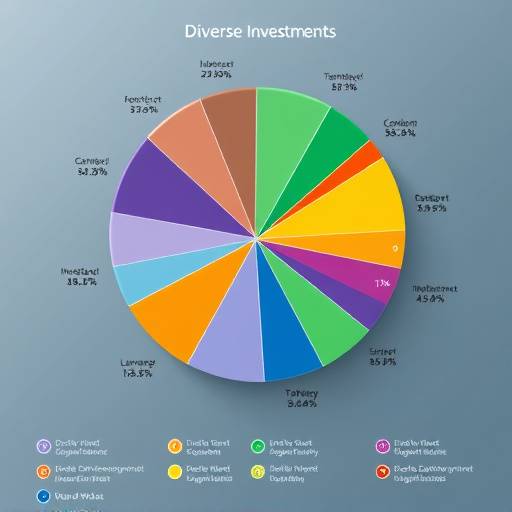
Mutual funds are investment vehicles that pool money from multiple investors to invest in a diversified portfolio of stocks, bonds, or other assets. Mutual funds offer diversification and professional management, making them a convenient investment option for those who lack the time or expertise to manage their own portfolios. There are various types of mutual funds, including stock funds, bond funds, and balanced funds. Stock funds invest primarily in stocks, while bond funds invest primarily in bonds. Balanced funds invest in a mix of stocks and bonds. The expense ratio of a mutual fund is an important factor to consider, as it represents the annual fee charged by the fund to cover its operating expenses. Low-cost index funds, which track a specific market index, such as the S&P 500, can be a cost-effective way to gain broad market exposure. Actively managed mutual funds, which aim to outperform the market, typically have higher expense ratios. When selecting a mutual fund, consider factors such as the fund's investment objective, past performance, expense ratio, and management team. FinWell provides tools and resources for researching mutual funds and comparing their performance. It's important to understand the fund's investment strategy and risk profile before investing.
Mutual funds offer diversification, which can help reduce risk. However, mutual funds also have limitations. Mutual fund performance can fluctuate with market conditions, and there is no guarantee that a mutual fund will achieve its investment objective. Mutual funds also have fees and expenses, which can eat into your returns. Before investing in a mutual fund, carefully review the fund's prospectus, which provides detailed information about the fund's investment strategy, risks, and expenses. Consider consulting with a financial advisor to determine the appropriate mutual fund allocation for your portfolio based on your risk tolerance and investment goals. Target-date funds, which automatically adjust their asset allocation over time to become more conservative as you approach your retirement date, can be a convenient option for retirement savings. However, it's important to understand the fund's asset allocation glide path and ensure that it aligns with your risk tolerance and retirement goals.