Take Control of Your Debt
At FinWell, we provide expert guidance and practical tools to help you manage and eliminate debt. Reclaim your financial freedom with our proven strategies.
Get Started TodayUnderstanding Debt and Its Impact

Debt can be a significant obstacle to achieving your financial goals. High-interest debt, such as credit card balances and personal loans, can quickly spiral out of control, impacting your credit score and limiting your ability to save and invest. Understanding the different types of debt, their interest rates, and their terms is the first step toward effective debt management.
Many people find themselves overwhelmed by debt due to various factors, including unexpected expenses, job loss, or poor financial planning. It's crucial to recognize the signs of problematic debt, such as making only minimum payments, consistently exceeding credit limits, or relying on credit to cover essential expenses. Addressing these issues early can prevent further financial strain.
Debt Consolidation: Simplifying Your Finances
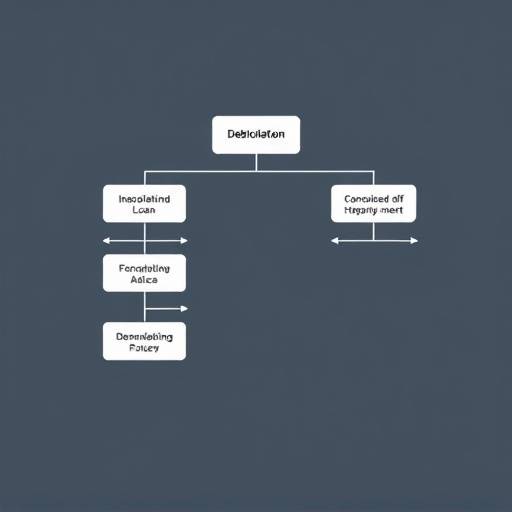
Debt consolidation involves combining multiple debts into a single, more manageable loan. This can be achieved through a personal loan, a balance transfer credit card, or a home equity loan. The primary benefit of debt consolidation is simplifying your payments and potentially lowering your interest rate, which can save you money and help you pay off your debt faster.
Before pursuing debt consolidation, it's essential to assess your financial situation and determine if it's the right solution for you. Consider factors such as the interest rates on your existing debts, the interest rate on the consolidation loan, and any associated fees. It's also crucial to ensure that you have a plan to avoid accumulating more debt while you're paying off the consolidated loan.
For example, Sarah from Chicago had several high-interest credit card debts. She was struggling to keep up with the multiple payments and high interest rates. After consulting with FinWell, she opted for a debt consolidation loan. This allowed her to combine all her credit card debts into a single loan with a lower interest rate. As a result, Sarah's monthly payments decreased, and she was able to pay off her debt much faster.
Credit Counseling: Professional Guidance for Debt Relief

Credit counseling is a service provided by non-profit organizations that offer financial education and debt management assistance. Certified credit counselors can help you assess your financial situation, develop a budget, and create a debt management plan (DMP). A DMP involves consolidating your debts and making monthly payments to the credit counseling agency, which then distributes the funds to your creditors.
Credit counseling can be a valuable resource for individuals struggling with debt. Counselors can provide unbiased advice and guidance, helping you understand your options and make informed decisions. They can also negotiate with your creditors to lower interest rates or waive fees, further reducing your debt burden. Reputable credit counseling agencies are accredited by organizations such as the National Foundation for Credit Counseling (NFCC).
If you're considering credit counseling, it's crucial to research and choose a reputable agency. Be wary of companies that charge high fees or make unrealistic promises. A good credit counseling agency will provide free educational materials and offer a confidential consultation to assess your needs.
The Debt Snowball Method: A Motivational Approach
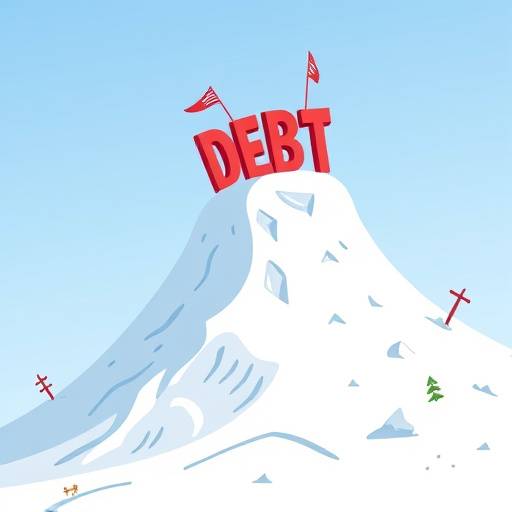
The debt snowball method is a debt repayment strategy that focuses on paying off the smallest debt first, regardless of its interest rate. The idea is to gain quick wins and build momentum, which can be highly motivating. Once the smallest debt is paid off, you roll the payment amount into the next smallest debt, and so on.
While the debt snowball method may not be the most mathematically efficient approach (as it doesn't prioritize debts with the highest interest rates), it can be very effective for individuals who need a psychological boost to stay motivated. Seeing progress and eliminating debts one by one can make the debt repayment process feel less overwhelming.
For instance, Mark from Denver had several debts, including a small credit card balance, a car loan, and a student loan. He decided to use the debt snowball method. He focused on paying off the credit card first, and once it was paid off, he rolled that payment amount into his car loan payment. Seeing the credit card disappear was a great motivator for Mark, and he continued to diligently pay off his debts using this method.
Creating a Realistic Budget for Debt Repayment

A well-crafted budget is essential for effective debt management. Start by tracking your income and expenses to get a clear picture of where your money is going. Identify areas where you can cut back on spending and allocate those funds towards debt repayment. Prioritize essential expenses, such as housing, food, and transportation, and then focus on reducing discretionary spending, such as entertainment and dining out.
When creating your budget, be realistic and set achievable goals. Avoid making drastic cuts that are unsustainable in the long run. Instead, focus on making small, incremental changes that you can stick with. Regularly review your budget and make adjustments as needed to ensure that you're on track to meet your debt repayment goals.
Consider using budgeting apps or online tools to help you track your spending and manage your finances. These tools can provide valuable insights into your spending habits and help you identify opportunities to save money.
Negotiating with Creditors for Better Terms
Don't be afraid to contact your creditors and negotiate for better terms. You may be able to negotiate a lower interest rate, a payment plan, or a waiver of fees. Explain your situation and be prepared to provide documentation to support your request. Even a small reduction in your interest rate or a more manageable payment plan can make a significant difference in your ability to pay off your debt.
Many creditors are willing to work with borrowers who are experiencing financial difficulties. They may prefer to negotiate a repayment plan rather than risk the borrower defaulting on the debt. Be proactive and reach out to your creditors before you fall behind on your payments.
Avoiding Future Debt Accumulation
Once you've successfully managed to pay off your debt, it's crucial to take steps to avoid accumulating more debt in the future. This includes creating an emergency fund to cover unexpected expenses, living within your means, and avoiding unnecessary purchases. Develop healthy financial habits and prioritize saving and investing for your future.
Consider setting up automatic transfers from your checking account to your savings account each month. This can help you build your emergency fund and stay on track with your savings goals. Also, be mindful of your credit card spending and avoid carrying a balance from month to month. Paying off your credit card balance in full each month can help you avoid interest charges and maintain a good credit score.
Remember that financial freedom is within reach. With the right strategies and a commitment to financial responsibility, you can overcome debt and achieve your financial goals. FinWell is here to support you every step of the way. Contact us at support@finwellservices.com or call us at 555-345-9876 for a free consultation.